This Day That Year

January 1

in History

New Year for Consuls — Rome resets its political calendar forever
Rome, Roman RepublicAncient
153

New Year for Consuls

Rome resets its political calendar forever

In the bustling heart of the Roman Republic, a quiet but revolutionary shift took hold: for the first time, newly elected consuls assumed office on the first day of January. This seemingly bureaucratic change would echo through millennia, ultimately anchoring our modern calendar. What began as administrative convenience became a tradition that outlived the republic itself, shaping how civilization marks the passage of time.

153 BC
Nigeria Under British Rule — An empire plants its flag in West Africa
Lagos, NigeriaEarly 20th Century
1900

Nigeria Under British Rule

An empire plants its flag in West Africa

As the twentieth century dawned, the British Empire formally declared Nigeria a protectorate, installing Frederick Lugard as high commissioner. Across the vast expanse of West Africa, from the Sahel to the Gulf of Guinea, diverse kingdoms and peoples found themselves drawn under a single colonial umbrella. This moment set in motion decades of colonial administration that would profoundly shape the future of Africa's most populous nation.

1900 AD
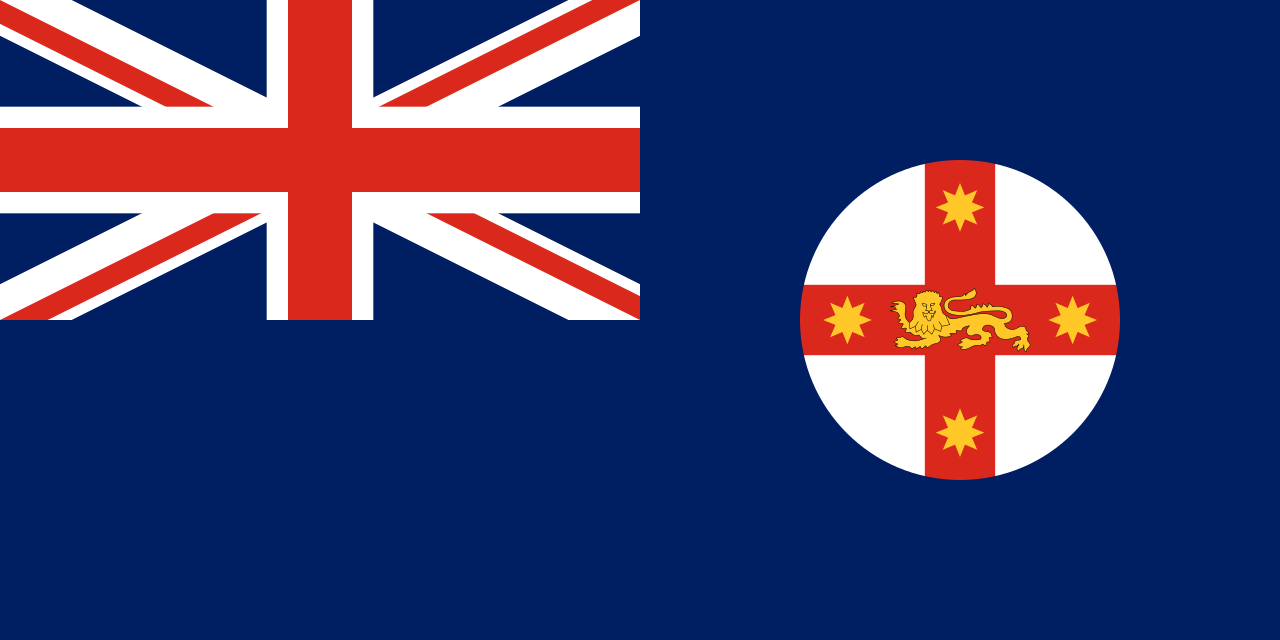
New South Wales — The British colonies of New South Wales, Queensland, Victoria, South Australia, Tasmania, and Western Australia.
State of AustraliaEarly 20th Century
1901

New South Wales

The British colonies of New South Wales, Queensland, Victoria, South Australia, Tasmania, and Western Australia.

New South Wales is a state on the east coast of Australia. It borders Queensland to the north, Victoria to the south, and South Australia to the west. Its coast borders the Coral and Tasman Seas to the east. The Australian Capital Territory and Jervis Bay Territory are enclaves within the state. New South Wales' state capital is Sydney, which is also Australia's most populous city. In December 2024, the population of New South Wales was over 8.

1901 AD