This Day That Year

July 27

in History

Siege of Thessalonica Ends — Slavic warriors retreat from stubborn walls
Thessalonica (modern Thessaloniki, Greece)Medieval
678

Siege of Thessalonica Ends

Slavic warriors retreat from stubborn walls

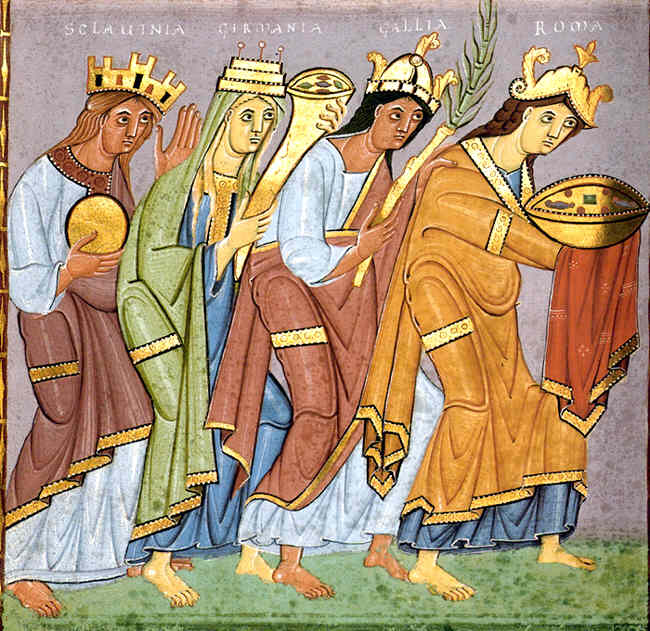
After a prolonged siege, the Sclaveni, early Slavic tribes who had been raiding across the Balkans, finally gave up their assault on the Byzantine city of Thessalonica. Unable to penetrate the city's formidable defenses, they withdrew, leaving the second city of the Byzantine Empire intact. Thessalonica's survival ensured continued Greek cultural dominance in the region for centuries.

678 AD
Kaiser's Hun Speech — Words that would haunt Germany for decades
Bremerhaven, GermanyEarly 20th Century
1900

Kaiser's Hun Speech

Words that would haunt Germany for decades

Kaiser Wilhelm II delivered a notorious speech comparing German soldiers to the fearsome Huns of Attila, urging his troops to show no mercy in China during the Boxer Rebellion. The inflammatory rhetoric was intended to inspire his military, but it backfired spectacularly. For years afterward, 'Hun' became a derogatory term for Germans, weaponized with devastating effect during both World Wars.

1900 AD
Korean Armistice Agreement — An armistice was signed (pictured) to end hostilities in the Korean War, officially making the division of Korea.
1953 end to Korean War hostilitiesLate 20th Century
1953

Korean Armistice Agreement

An armistice was signed (pictured) to end hostilities in the Korean War, officially making the division of Korea.

The Korean Armistice Agreement is an armistice that brought about a cessation of hostilities of the Korean War. It was signed by United States Army Lieutenant General William Harrison Jr. and General Mark W. Clark representing the United Nations Command (UNC), North Korea leader Kim Il Sung and General Nam Il representing the Korean People's Army (KPA), and Peng Dehuai representing the Chinese People's Volunteer Army (PVA).

1953 AD