This Day That Year

June 4

in History

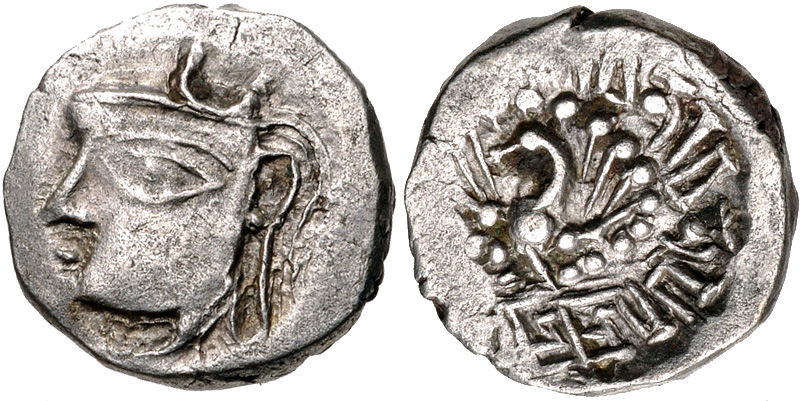
Emperor Harsha Was Born — India's last great Buddhist ruler arrives
Thanesar, IndiaMedieval
590

Emperor Harsha Was Born

India's last great Buddhist ruler arrives

In northern India, Harshavardhana was born -- the prince who would become one of the subcontinent's most powerful and enlightened rulers. After his brother's assassination, Harsha forged the scattered kingdoms of northern India into a vast empire governed from the city of Kannauj. A patron of art, literature, and Buddhism, his forty-one-year reign represented the last flowering of Buddhist imperial power in India, a golden age described in vivid detail by the Chinese pilgrim Xuanzang.

590 AD
Bhagat Puran Singh Was Born — The saint who served the forgotten
Rajewal, Punjab, IndiaEarly 20th Century
1904

Bhagat Puran Singh Was Born

The saint who served the forgotten

In Rajewal, Punjab, Bhagat Puran Singh was born -- a man who would dedicate his entire life to serving the poorest and most vulnerable members of Indian society. In 1947, he founded Pingalwara, a home for the sick, disabled, and destitute in Amritsar that grew to serve thousands. An environmental campaigner ahead of his time, he raised awareness of pollution and soil erosion while writing books on ecology. His selfless devotion made him one of India's most beloved humanitarian figures.

1904 AD
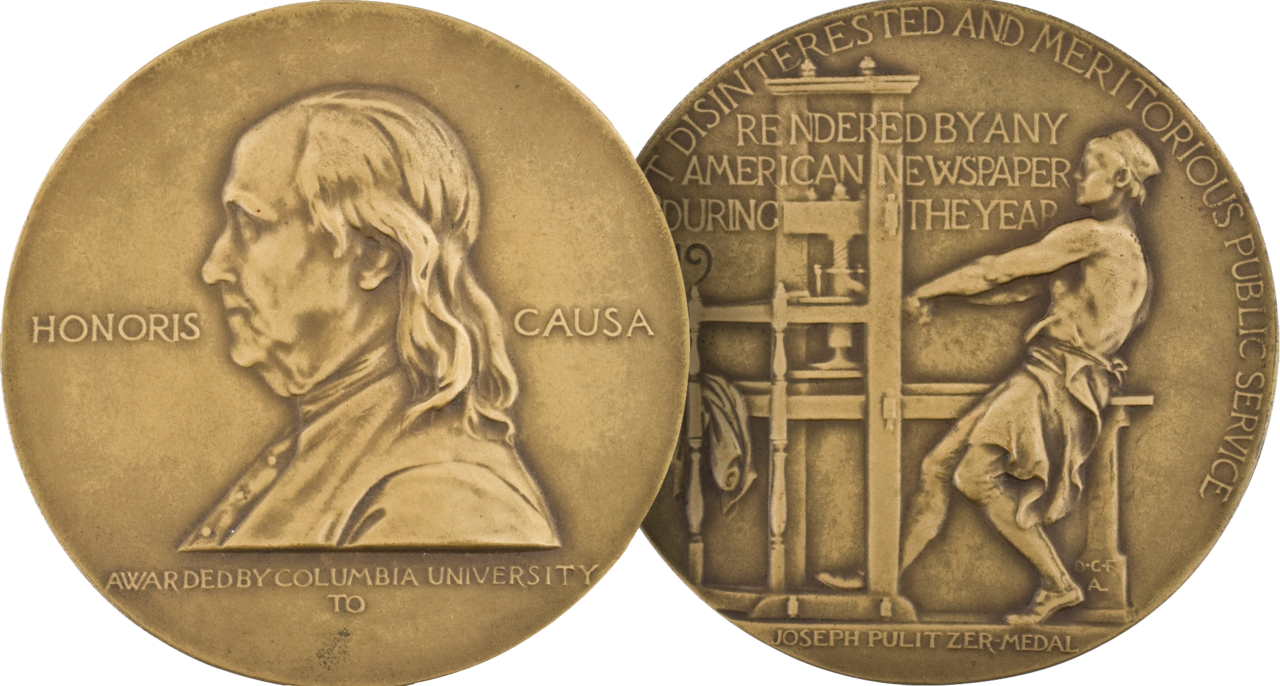
The first Pulitzer Prizes are awarded — The first Pulitzer Prizes are awarded: Laura E.
Early 20th Century
1917

The first Pulitzer Prizes are awarded

The first Pulitzer Prizes are awarded: Laura E.

The first Pulitzer Prizes are awarded: Laura E. Richards, Maude H. Elliott, and Florence Hall receive the first Pulitzer for biography (for Julia Ward Howe). Jean Jules Jusserand receives the first Pulitzer for history for his work With Americans of Past and Present Days. Herbert B. Swope receives the first Pulitzer for journalism for his work for the New York World.

1917 AD