This Day That Year

September 1

in History

Temple of Juno Dedicated — A victorious general honors Rome's queen goddess
Rome, Roman RepublicAncient
396

Temple of Juno Dedicated

A victorious general honors Rome's queen goddess

On the Aventine Hill, the great general Marcus Furius Camillus dedicated the Temple of Juno Regina, fulfilling a vow made during the siege of Veii. The dedication honored the queen of the Roman gods and celebrated one of Rome's most important early victories. Camillus, later hailed as the second founder of Rome, was cementing both divine favor and his own legendary status.

396 BC
First Sci-Fi Film Released — A rocket hits the moon's eye on screen
Paris, FranceEarly 20th Century
1902

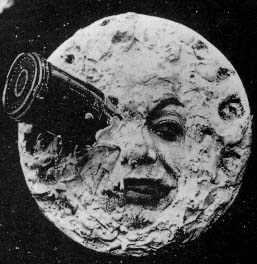
First Sci-Fi Film Released

A rocket hits the moon's eye on screen

The first science fiction film in history, Georges Melies's A Trip to the Moon, was released in France. Inspired by Jules Verne, the fourteen-minute film featured its iconic image of a capsule lodged in the eye of a personified moon. The imaginative, effects-laden production launched an entirely new genre of cinema that would captivate audiences for over a century.

1902 AD
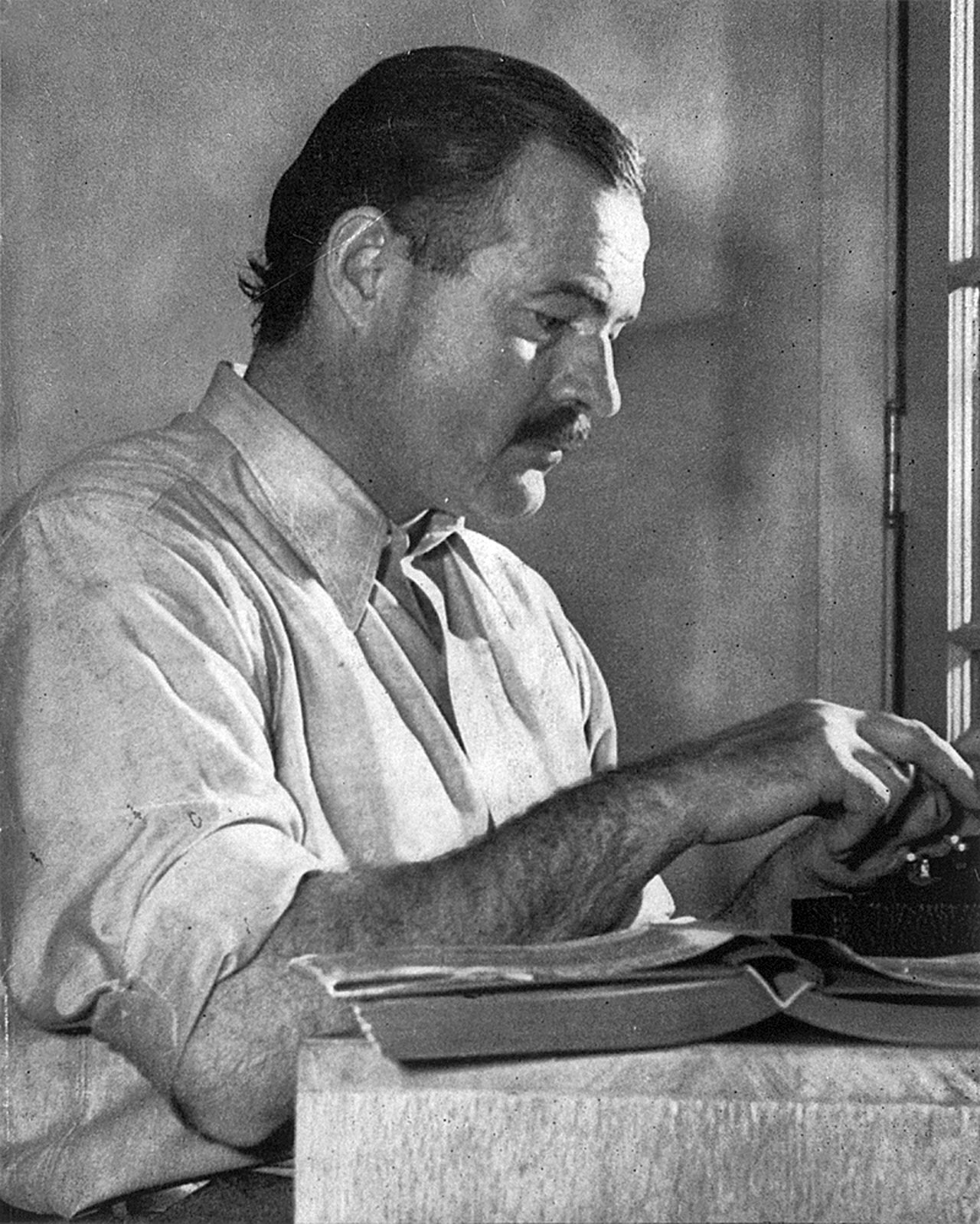
Ernest Hemingway — Ernest Hemingway's novel The Old Man and the Sea, which later won the Pulitzer Prize for Fiction, was first published.
American author and journalist (1899–1961)Late 20th Century
1952

Ernest Hemingway

Ernest Hemingway's novel The Old Man and the Sea, which later won the Pulitzer Prize for Fiction, was first published.

Ernest Miller Hemingway was an American novelist, short-story writer and journalist. Known for an economical, understated style that influenced later 20th-century writers, he has been romanticized for his adventurous lifestyle and outspoken, blunt public image. Some of his seven novels, six short-story collections and two non-fiction works have become classics of American literature, and he was awarded the 1954 Nobel Prize in Literature.

1952 AD